Forehead Lines in Korea: Costs & Why Korea is the Best Choice
South Korea is a global hub for aesthetic procedures, and Forehead Lines are a significant part of its thriving beauty industry
Korea is a trusted destination for treating forehead lines, including horizontal wrinkles and expression creases. Seoul clinics offer advanced non-surgical treatments, such as botulinum toxin, radiofrequency, ultrasound, lasers, and combination programs, for a smooth, youthful, and natural-looking forehead.
Why Korea Is the Best Place for Forehead Line Treatment
Newest Devices Arrive in Korea First
Korean clinics adopt the latest wrinkle-targeting and skin-smoothing technologies before they appear widely in the U.S. or Europe. Popular treatments include botulinum toxin injections, Thermage FLX, Ultherapy, INMODE RF, and fractional lasers for precise forehead line correction.
More Affordable Than Western Clinics
Forehead line treatments in Korea cost 30% to 60% less than in Western countries while maintaining high-quality outcomes. Premium areas like Gangnam and Apgujeong remain accessible for international patients.
Natural K-Beauty Results
Korean dermatology emphasizes subtle and natural improvements. The goal is to reduce visible lines while maintaining relaxed and balanced facial expressions without an “overdone” look.
Experience With Asian and International Skin Types
Dermatologists regularly treat Asian, melanin-rich, sensitive, and aging skin, ensuring safe and effective care for all patients.
Convenient and Foreigner-Friendly
Fast appointments, minimal downtime, and multilingual support make Korea an ideal destination for travelers seeking forehead line treatments.
Forehead Line Treatments Available in Korea
Botulinum Toxin Injections
Relax forehead muscles to smooth horizontal lines and prevent deepening over time.
Radiofrequency (RF) Lifting
Non-invasive RF devices remodel collagen and improve skin firmness on the forehead.
Ultrasound (HIFU) Therapy
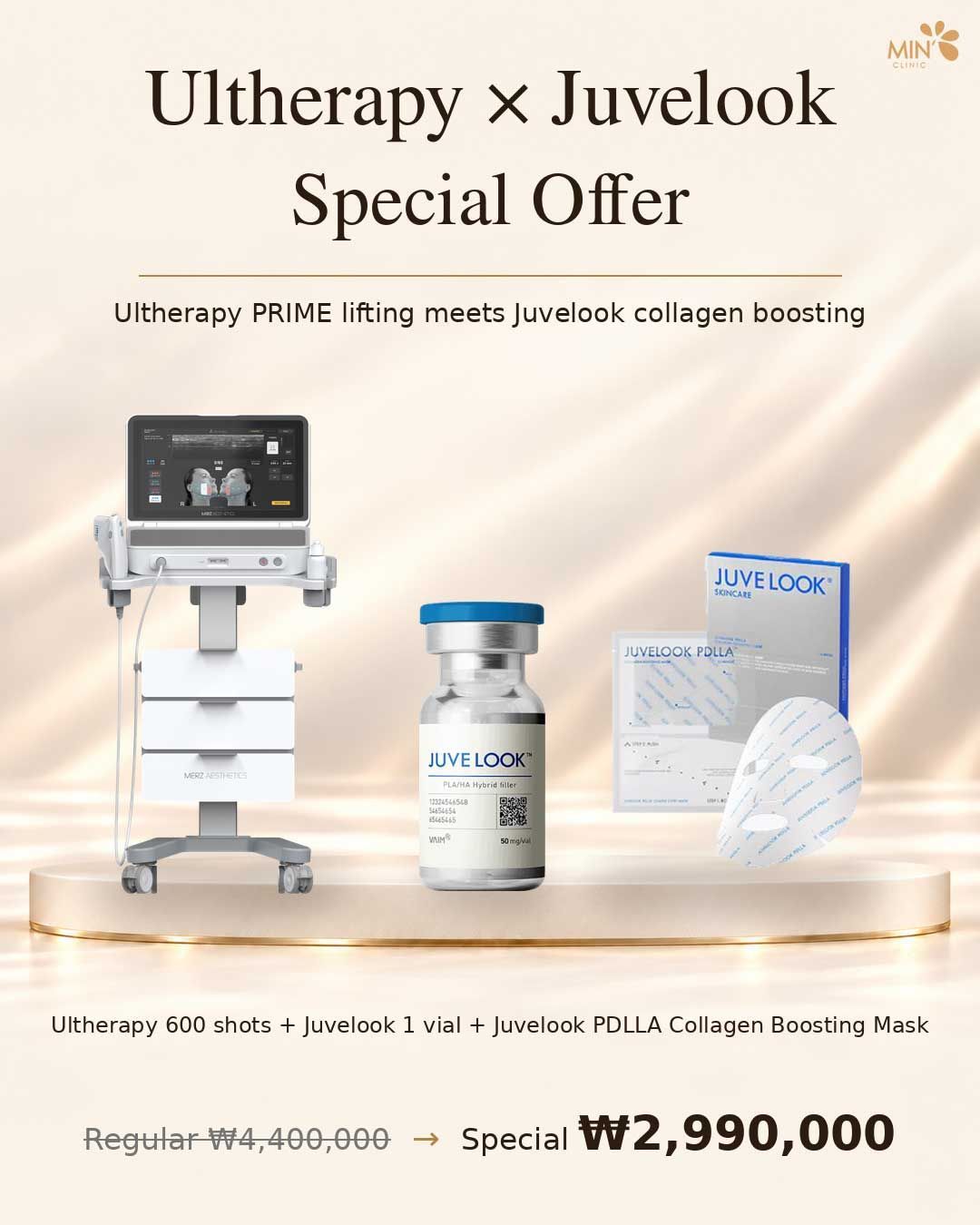
Ultherapy and Shurink target deep layers to improve elasticity and reduce the appearance of forehead lines.
Fractional and Laser-Based Treatments
Stimulate collagen production, improve skin texture, and gradually smooth fine and moderate lines.
Combination Forehead Line Programs
Clinics often combine botulinum toxin + RF + HIFU + laser therapies for maximum results with minimal downtime.
Forehead Line Treatment Costs in Korea (No Table)
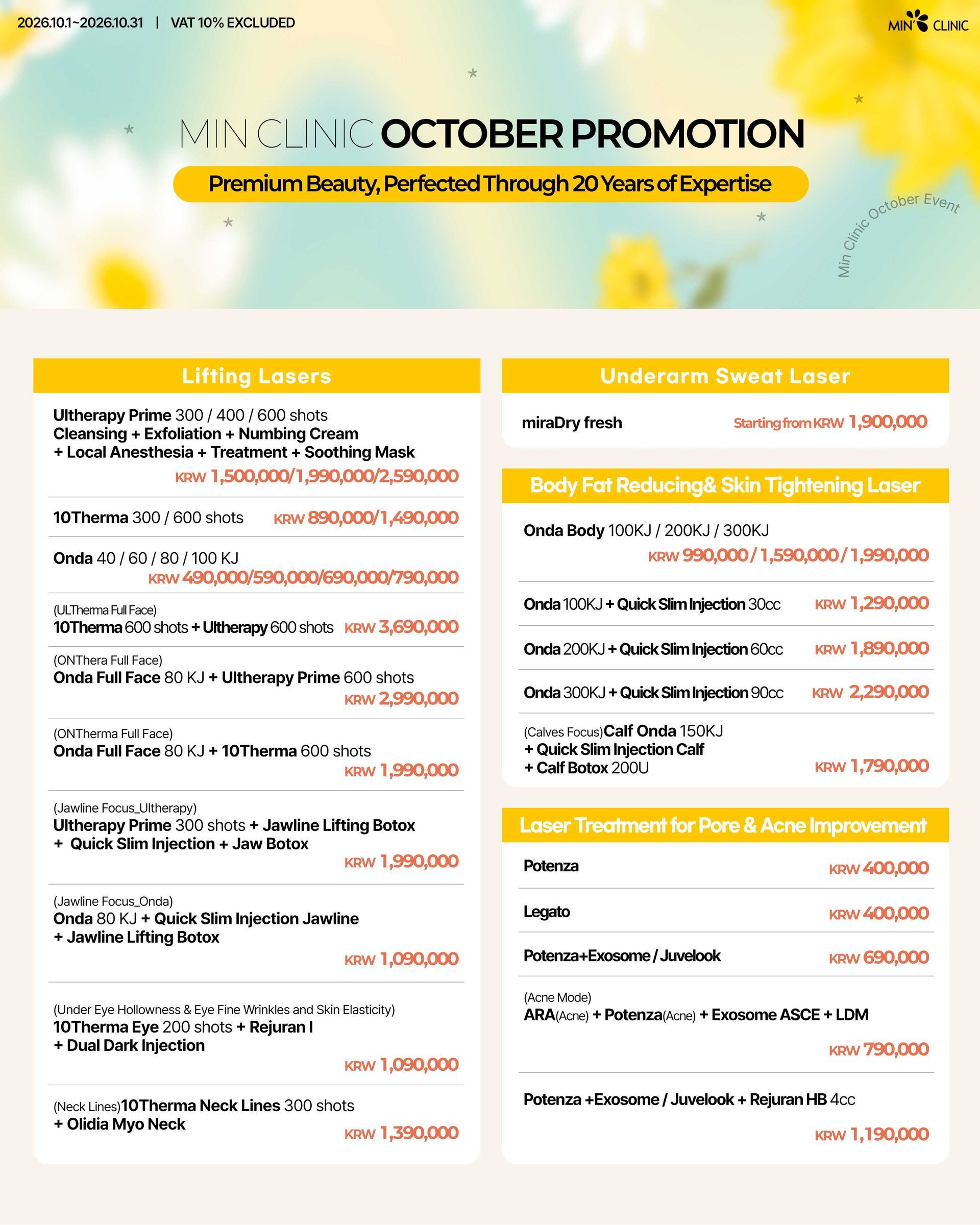
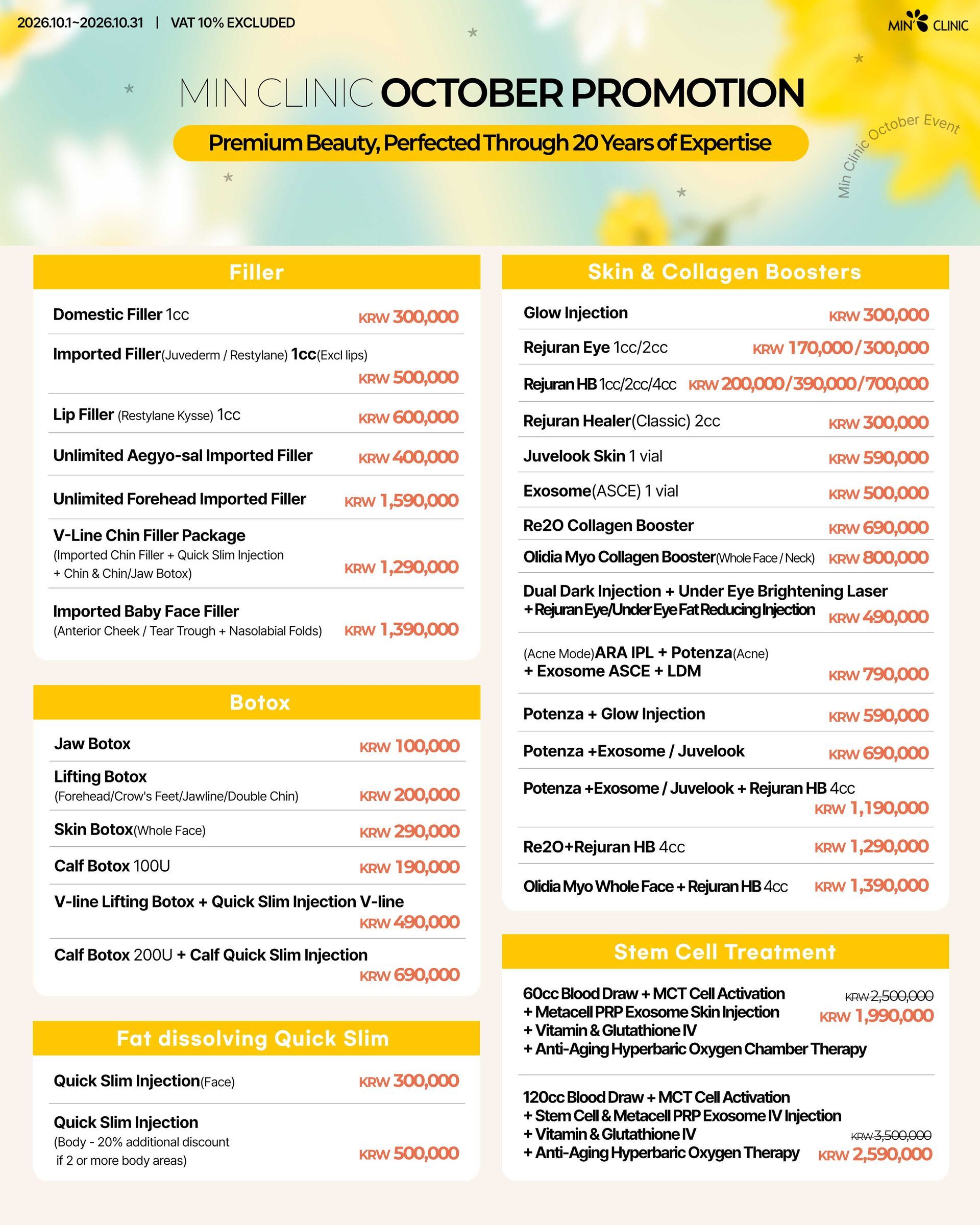
Here are the average price ranges for Forehead Line Treatments in Korea:
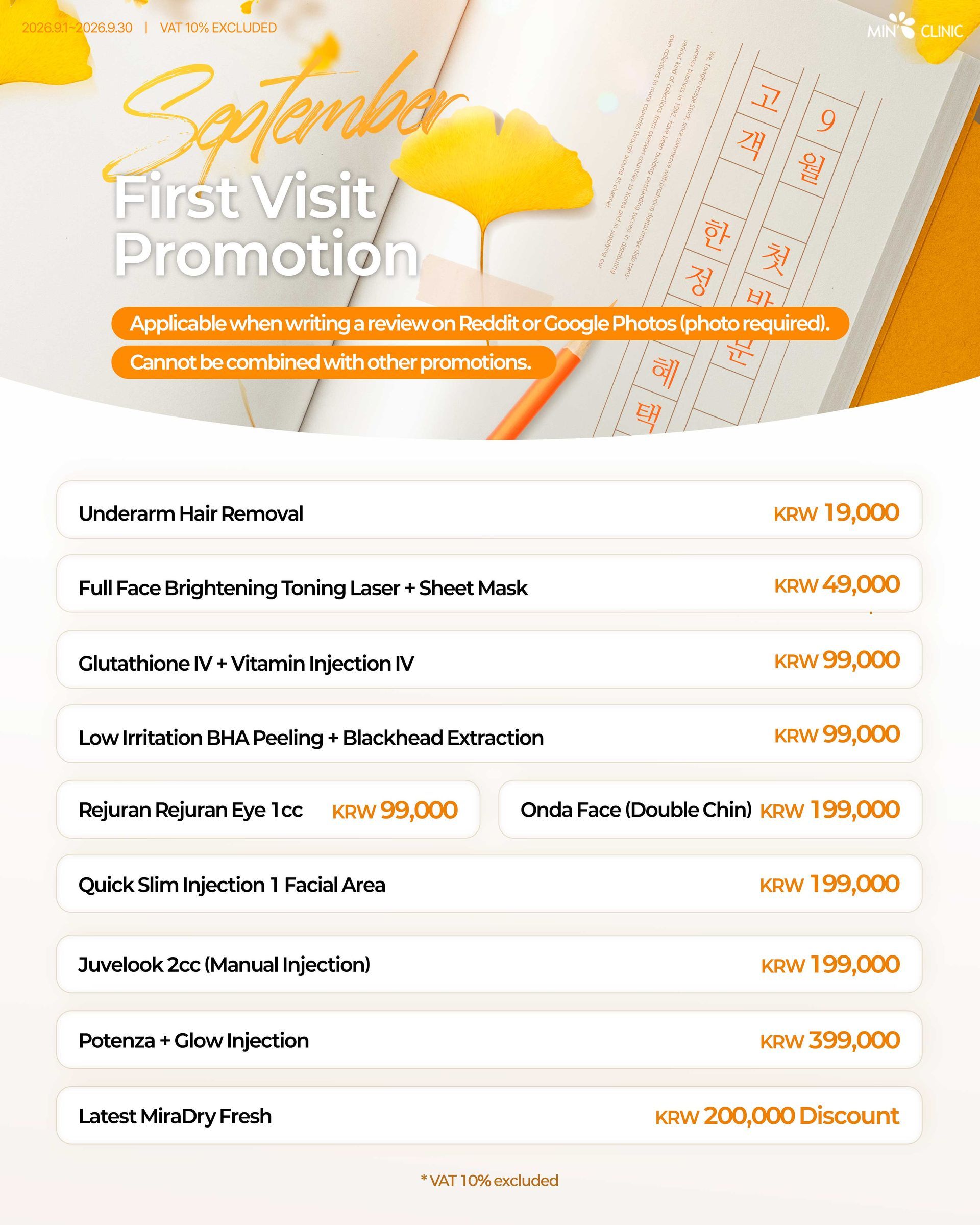
- Botulinum Toxin Injection (Forehead): ₩100,000 to ₩250,000
- RF Wrinkle Treatment: ₩200,000 to ₩500,000
- Ultherapy Session: ₩1,200,000 to ₩2,700,000
- Fractional Laser Session: ₩150,000 to ₩300,000
- Combination Forehead Line Packages: ₩400,000 to ₩1,200,000
Prices vary depending on clinic, dosage, treatment area, and combination therapy.
Who Benefits Most from Forehead Line Treatment in Korea
Forehead Line Treatment in Korea is ideal for:
- Horizontal forehead wrinkles and expression lines
- Early signs of aging on the forehead
- Deep creases caused by frequent frowning or raising eyebrows
- Patients seeking natural, subtle, and non-surgical wrinkle reduction
What to Expect During a Forehead Line Treatment Appointment
- Consultation and assessment of muscle activity and skin condition
- Customized treatment plan based on line depth, skin type, and desired outcome
- Treatment duration: 10–40 minutes depending on method
- Mild redness, swelling, or tenderness may occur for 1–2 days
- Makeup can usually be applied immediately after
- Best results appear gradually over 1–4 weeks, with follow-up sessions if needed
Why International Visitors Choose Korea
- Transparent pricing with no hidden fees
- Experienced dermatologists specializing in forehead line correction
- Same-day consultation and treatment options
- English, Japanese, and Chinese support available
- Clinics conveniently located near subway exits (Gangnam, Apgujeong, Hongdae)
- Natural, subtle, and long-lasting results appreciated by international patients